Bumble: A Handwritten Font That Elevates Modern Web Design
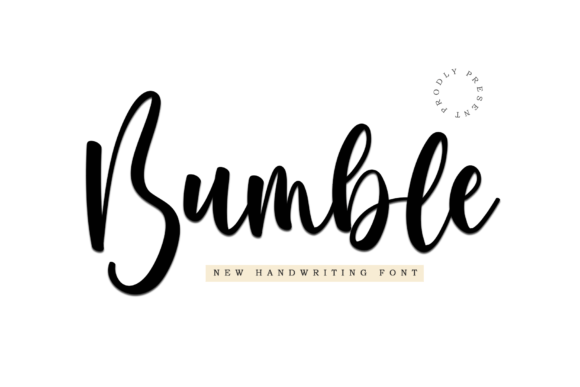
Bumble is more than just a decorative script font; it's a digital design tool that brings warmth, personality, and elegance to web layouts. As a web designer, I’m always on the lookout for typefaces that can enhance visual storytelling without compromising usability. Bumble delivers that balance with its flowing curves and modern script style, making it a standout choice for digital branding, landing pages, and creative web experiences.
What sets Bumble apart is its organic, handwritten feel. Unlike overly stylized script fonts that can become hard to read on screen, Bumble maintains clarity even at smaller sizes. This makes it ideal for headers, hero sections, and short-form digital content where visual appeal meets functional readability. Its Script Amp style gives a sense of movement and fluidity, which is especially effective when used in logo design, social media graphics, and brand-focused web elements.
How Bumble Enhances Web Layouts and Brand Identity
In digital design, typography is one of the strongest tools for shaping brand tone. Bumble’s elegant curves and soft transitions communicate a sense of approachability and creativity—perfect for brands in lifestyle, wellness, fashion, or creative services. When I use Bumble in a layout, it instantly adds a human touch that feels authentic and less corporate.
For example, a coaching website or boutique online store can benefit from Bumble’s warm personality in hero banners or call-to-action buttons. It works particularly well in hero titles and section headings where the goal is to draw attention without overwhelming the layout. Using it in logo text or decorative accents like taglines or social media post headers gives a cohesive and polished brand presence.
Practical Use Cases for Bumble in Digital Projects
- Landing pages: Ideal for headlines and subheadings that need to feel inviting yet professional.
- E-commerce banners: Adds a boutique feel to product promotions and seasonal sales.
- Blog headers: Elevates editorial-style content with a touch of elegance.
- Portfolio sites: Perfect for creative professionals looking to showcase work with a personal touch.
- Digital ads: Stands out in promotional banners and course landing pages.
Because of its expressive nature, Bumble is best used in moderation. It shines in short phrases, brand names, and highlight text rather than long body copy. That said, when used correctly, it can guide visual hierarchy and improve user scanning behavior, helping visitors quickly find key messages.
Readability and Responsiveness: What to Consider
One of the most important considerations when using any decorative font online is readability. Bumble performs well on both light and dark backgrounds, especially when used with proper contrast and spacing. For mobile screens, I recommend using it at slightly larger sizes in headers and limiting its use in small buttons or navigation menus where clarity is crucial.
When overlaying Bumble on images, it’s best to use a subtle background overlay or stroke to ensure legibility. Testing on multiple devices and screen sizes is always a good practice, especially if the font is part of a conversion-focused layout like a checkout banner or lead capture section.
Font Pairing Strategies for Web Design
Pairing Bumble with a clean, simple sans serif font like Open Sans or Lato creates a strong contrast that enhances readability while maintaining visual interest. For more editorial-focused websites or blogs, combining Bumble with a serif font like Merriweather or Playfair Display can give a more sophisticated, magazine-style layout.
The key is to use Bumble as the highlight font and pair it with more neutral typefaces for supporting content. This strategy maintains hierarchy and ensures the overall design feels cohesive rather than cluttered.
Technical Considerations for Using Bumble Online
When implementing Bumble into a website or digital product, it's important to check the available file formats and webfont support. Most modern fonts include WOFF, WOFF2, and OTF versions, which are optimized for both performance and cross-browser compatibility. If you're using it in a commercial project like an online store, landing page template, or client website, make sure the font license covers those use cases.
Bumble typically includes multiple stylistic alternates and ligatures, which can be useful for adding subtle design variations. However, not all web platforms support advanced OpenType features, so it’s a good idea to test how the font renders across different CMS platforms and design tools.
Final Notes for Designers and Digital Creators
As a UI designer, I value tools that help me create memorable, user-friendly digital experiences. Bumble is one of those fonts that adds character without sacrificing function. Whether you're designing a creative portfolio, launching a new brand kit, or building a product landing page, Bumble can help you make a visual impact that aligns with your brand’s voice.
Its Script Amp style, combined with thoughtful design and usability considerations, makes it a versatile asset in modern web design. By understanding where and how to use it effectively, you can create digital spaces that feel both professional and personable—two qualities that drive engagement and trust in today’s online landscape.