Homely: A Handwritten Font for Small Business Branding
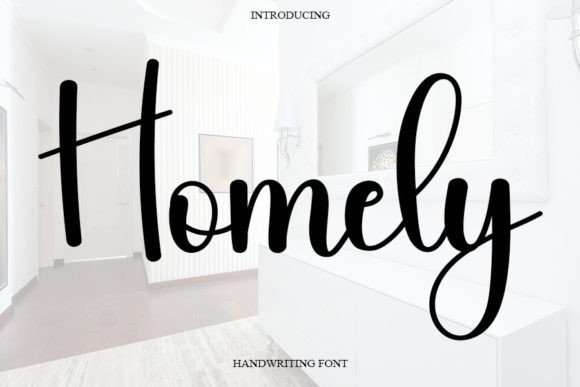
As a small business owner, I have learned that the details often make or break a brand. In a crowded marketplace, your visual identity is the first handshake you offer to a potential customer. It needs to be warm, inviting, and memorable. This is where finding the right typeface becomes a strategic decision rather than just an aesthetic one. Recently, I discovered Homely, a sweet and beautiful handwritten font that has completely transformed how I approach my design projects. Unlike rigid, mechanical typefaces, Homely features characters that dance along the baseline, adding a luxury spark to any creative endeavor.
The Personality of a Premium Script Font
When selecting a font for your business, you are essentially choosing a voice for your brand. Homely speaks with a tone that is personal, authentic, and effortlessly elegant. As a script amp category font, it bridges the gap between casual note-taking and high-end calligraphy. The fluidity of the strokes mimics the natural movement of a pen on paper, which subconsciously signals to customers that there is a real human behind the business.
This personality is crucial for entrepreneurs selling handmade goods, offering coaching services, or running boutique cafes. In these niches, customers crave connection. A standard sans serif font might look clean, but it can feel cold. Homely, however, feels like a personal invitation. Its visual appeal lies in its balance; it is decorative enough to stand out as a display font but structured enough to remain legible when used for short headlines or logo marks. The "luxury spark" mentioned in its description isn't just marketing fluff; it is the result of careful attention to stroke weight and character spacing, giving it a premium feel that elevates simple text into something special.
Bringing Consistency to Your Brand Identity
One of the biggest challenges I face as a solopreneur is maintaining consistency across all touchpoints. From my website banners to my Instagram posts, everything needs to look cohesive. Using a versatile font like Homely helps solve this problem. When you use the same typeface across your logo design, product labels, and social media graphics, you create a recognizable pattern that builds trust.
Imagine a bakery owner using Homely for their storefront signage and then seeing the same playful yet elegant curves on their cupcake wrappers and thank-you cards. That repetition creates a sense of familiarity. Customers begin to associate that specific style of handwriting with quality and care. Whether you are designing a menu for a new café or creating packaging for a line of organic candles, Homely ensures that your brand looks professional and intentional at every step.
Real-World Applications for Entrepreneurs
The true test of a font is how well it performs in practical scenarios. Here is how I see Homely working across various business materials:
- Logo Design: For a boutique clothing store or a wedding planner, Homely works beautifully as the primary element of a logo. Its flowing nature suggests creativity and bespoke service.
- Packaging and Labels: On small product labels, such as those for handmade soaps or artisanal jams, Homely adds a touch of class. Just ensure the size is large enough to maintain readability.
- Social Media Graphics: In Instagram stories or Pinterest pins, using Homely for quotes or promotional headlines grabs attention quickly. It stands out against busy backgrounds better than blocky fonts.
- Stationery and Cards: Thank-you notes, invoice headers, and event invitations gain a personal touch when written in this handwritten font. It makes the recipient feel valued.
- Website Visuals: While you should not use script fonts for long paragraphs, Homely is perfect for hero section headlines or section dividers on your web design.
Strategic Font Pairing for Readability
While Homely is stunning on its own, it shines brightest when paired correctly. A common mistake I see is trying to use a decorative script font for body copy. This leads to poor readability, especially on mobile screens or small printed labels. Instead, treat Homely as an accent or headline font.
To achieve a balanced look, pair Homely with a clean, neutral typeface. A modern sans serif font works exceptionally well here. The simplicity of the sans serif allows the intricate details of Homely to take center stage without causing visual clutter. Alternatively, if your brand leans towards a more traditional or editorial vibe, pairing Homely with a classic serif font can create a sophisticated contrast. This combination of a creative font with a highly readable supporting typeface ensures your message is both attractive and clear.
For example, on a flyer for a wellness retreat, you might use Homely for the word "Retreat" to evoke relaxation and flow, while keeping the dates, times, and location details in a crisp sans serif font. This hierarchy guides the reader's eye naturally, ensuring they don't miss critical information while still enjoying the aesthetic beauty of the design.
Testing Before You Commit
Before you download Homely and apply it to your entire brand kit, it is wise to run some tests. Typography can look very different on a monitor compared to a printed label or a digital ad thumbnail. Print out a sample of your logo in black and white to check the contrast. Look at how the characters hold up when scaled down to the size of a sticker or a mobile notification.
Also, consider the context of your audience. If you are targeting a corporate B2B market, ensure the whimsical nature of Homely aligns with your industry standards. However, for lifestyle brands, e-commerce stores, and service providers focusing on personal connection, this font is often a perfect fit. Always review your designs on multiple devices to ensure the "dancing" baseline doesn't cause alignment issues in tight spaces.
Understanding Commercial Licensing
A final, critical piece of advice for any entrepreneur: always verify the licensing terms. Homely is available as a commercial font, but you must understand what that means for your specific business model. If you plan to use the font on products you sell, such as t-shirts, mugs, or custom packaging, you need a license that covers merchandise production. Similarly, if you are a designer creating templates or client work, ensure your license permits redistribution or client usage.
Using a font without the proper license can lead to legal headaches that distract from growing your business. Reputable font foundries provide clear guidelines on whether a single-user license covers your needs or if you require an extended license for mass production. Taking the time to secure the right rights protects your brand and shows professionalism in your business practices.
In conclusion, investing in a high-quality typeface like Homely is an investment in your brand's perception. It transforms ordinary text into a signature element that communicates warmth, luxury, and authenticity. By using it strategically across your logos, packaging, and digital presence, you create a cohesive identity that resonates with your customers. Whether you are launching a startup or rebranding an existing shop, let Homely add that personal, luxurious touch that sets you apart from the competition.